How the Architectural Design Process Supports Your Lifestyle | Bay Area Custom Home Design
.jpg)
Learn how the architectural design process shapes homes around your lifestyle: a step-by-step guide to custom home design in the Bay Area.
__________________________________________________________
Designing a custom home is about more than maximizing square footage or choosing finishes. The architectural design process is meant to shape a home around how you actually live—your routines, priorities, and long-term plans.
In the Bay Area especially, where homes often need to balance family life, work, entertaining, and environmental considerations, thoughtful design can make a noticeable difference in everyday comfort. When the design process focuses on lifestyle early on, the result is a home that feels natural to live in, rather than a set of spaces you have to adapt to repeatedly.
This guide explains how the architectural design process works and how each phase helps create spaces that support daily life.
Why Lifestyle Matters in Residential Architecture
Every household uses space differently. Some families host frequent gatherings, while others prioritize quiet workspaces or outdoor living. A home that works well for one lifestyle might feel limiting for another.
The architectural design process helps identify these differences early so they can shape the layout, circulation, and character of the home.
Architects typically explore questions such as:
- How often you work from home and whether you need private office space
- How you entertain guests and use shared areas like kitchens and living rooms
- Whether family needs may change over time, such as children growing up or parents moving in
- What activities or hobbies might require dedicated storage or workspaces
- How much openness or privacy you prefer between rooms
Understanding these patterns allows the design to respond directly to how the home will be used.
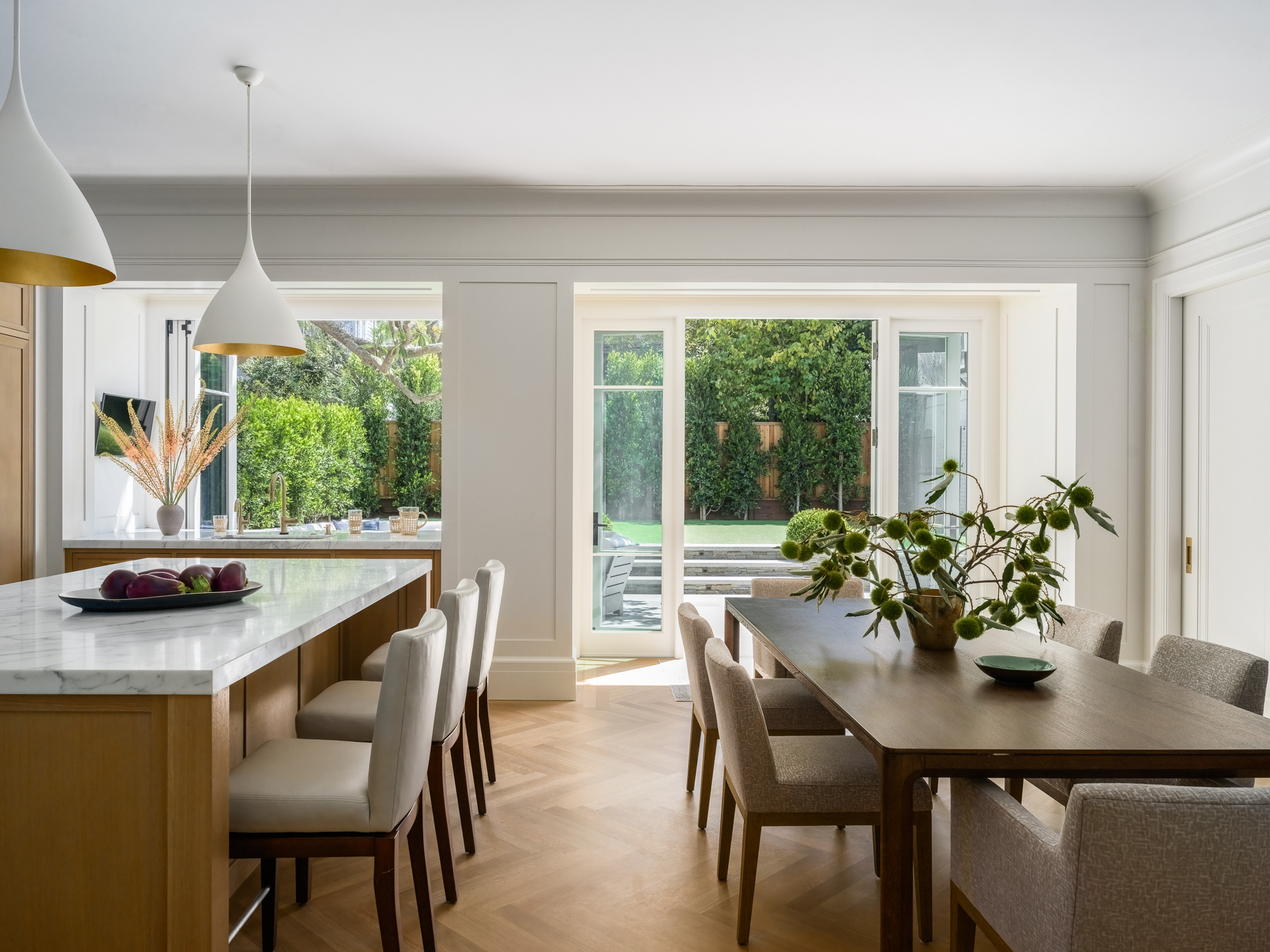
How the Architectural Design Process Works
Turning an idea into a built home involves several structured phases. Each phase builds on the last, helping refine the design while keeping lifestyle goals at the center of decision-making.
1. Discovery and Programming
The process begins with listening.
During this phase, the architect gathers information about your goals, budget, site conditions, and daily routines. Conversations often focus on how you currently use your home and what you would like to improve.
Key topics usually include:
- Daily schedules and work patterns
- Family structure and long-term plans
- Site characteristics such as views, sunlight, and topography
- General aesthetic preferences
This phase creates the foundation for the design, ensuring the project starts with a clear understanding of lifestyle priorities.
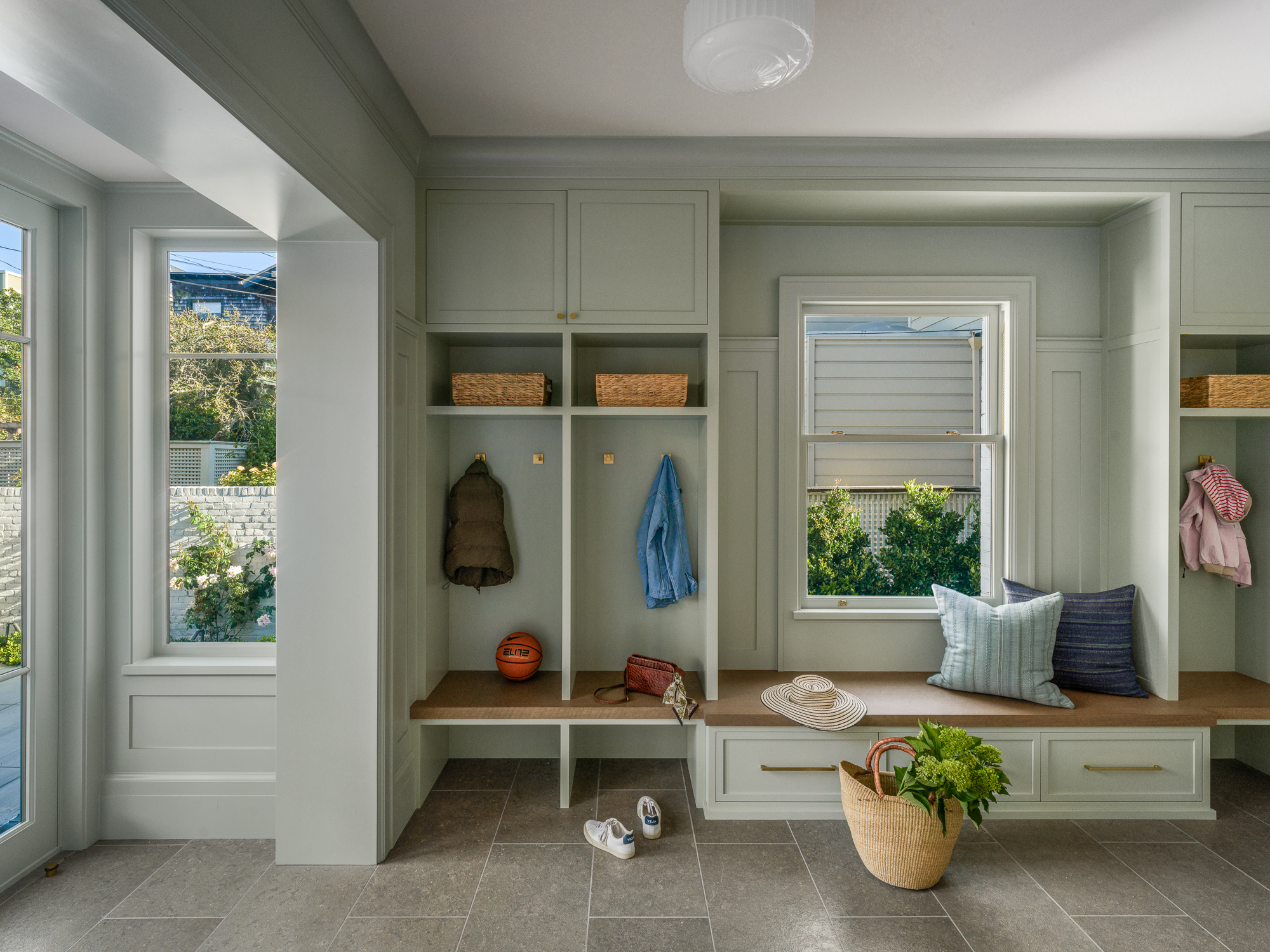
2. Exploration / Conceptual Design
In the exploration phase, ideas start to take visual form.
Architects create early sketches, diagrams, and preliminary floor plans to explore how the home might be organized. These concepts help test different ways of arranging living spaces, bedrooms, and outdoor areas. Throughout this phase, a knowledgeable architect will factor in the many functional and code-related accommodations required by the layout and local planning department - much more work than the homeowner usually sees.
This phase is collaborative. Homeowners review the concepts and share feedback about how the spaces feel and function.
Adjustments might include:
- repositioning rooms for better natural light
- improving circulation between spaces
- adjusting the balance between open and private areas
Through several rounds of refinement, the design begins to reflect both practical needs and personal preferences.
3. Design Development and Documentation
Once the general layout is confirmed, the design becomes more detailed.
The architect transforms the approved schematic design concept into a buildable architectural solution, refining the home’s spatial organization, dimensions, materials, and systems to clarify design intent and technical requirements. Architects then prepare construction drawings that define structural systems, materials, window placement, lighting, trim details and energy performance. These documents are required for permits and guide the contractor during construction.
At this phase, the architect finalizes many of the custom features that support a homeowner’s lifestyle, such as built-in storage, workspace areas, or outdoor living elements.
4. Construction Support
The architectural process usually continues during construction. Architects may review progress on site, answer contractor questions, provide further drawn details that address site conditions, and confirm that the design is being built as intended. This helps maintain the quality of materials and structural flow and ensures important design elements are executed correctly.
________________________________________________
Key Takeaways from this post
...Designing Spaces That Support Daily Life
When lifestyle needs guide the architecture, truly successful design strategies emerge. An architect with a thoughtful design process creates homes that function smoothly, both throughout your day and over many years.
...Clear Zoning of Spaces
Separating different types of activities can make a home feel more balanced. For example, placing work areas slightly apart from main living spaces helps maintain focus during the day while keeping family areas relaxed in the evening.
...Comfortable Circulation
Good circulation makes it easy to move through the home without crowding or bottlenecks and allows for better flow of light and air. Hallways, entry areas, and transitions between rooms are carefully planned so everyday movement feels natural.