How Traditional Architecture Influences Contemporary Home Design in San Francisco

San Francisco has one of the most recognizable residential streetscapes in the world. Bay windows, ornate cornices, and painted façades define entire neighborhoods. But these homes do more than create visual character — they reflect how San Franciscans have thought about living for more than 150 years.
What’s striking is how relevant those ideas feel in the modern era.
In residential design today, traditional architecture continues to shape what homeowners respond to instinctively: natural light, strong proportions, durable materials, thoughtful detail, and rooms that feel grounded and livable. Whether renovating a Victorian or designing a new home from scratch, understanding San Francisco’s architectural history will lead to better design decisions.
Traditional architecture in San Francisco is not just a style. It’s a design language — one built around solving practical problems beautifully.
Here’s how the city’s major architectural styles continue to influence residential design today.
Key Takeaways
- San Francisco has more Victorian homes than any other U.S. city, and features like bay windows, vertical proportions, and detailed millwork remain highly requested in new residential design.
- Edwardian homes introduced many of the qualities modern homeowners value most: natural light, cleaner layouts, and restrained ornamentation.
- Craftsman architecture’s focus on natural materials, craftsmanship, and indoor-outdoor living feels especially relevant today.
- Traditional architecture and modern living are not at odds. The best historic homes succeeded because they solved real functional problems — and those same principles still work today.
The Victorian Era: Architecture as Identity
Between 1850 and 1900, the Gold Rush transformed San Francisco into a rapidly growing city. Builders had access to abundant California redwood, which made intricate wood detailing affordable and practical. The result was an extraordinary concentration of Victorian homes unlike anywhere else in the country.
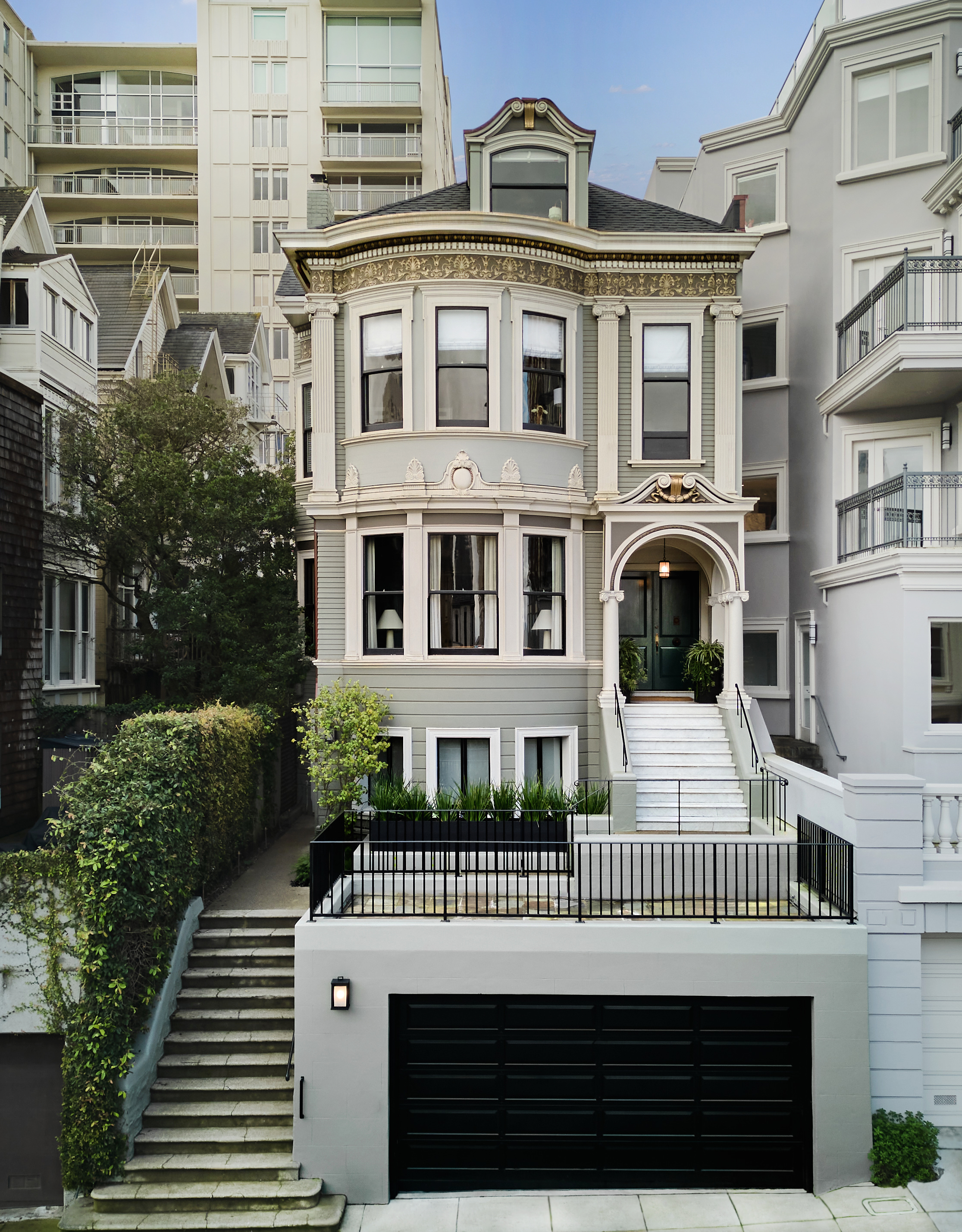
Italianate Victorians featured tall windows and classical detailing. Stick-Eastlake homes emphasized decorative woodwork and exposed structure. Queen Anne houses introduced towers, textured façades, and dramatic bay windows. San Francisco still contains the world’s largest concentration of Stick and Stick-Eastlake homes.
These houses treated the exterior as more than shelter. The façade communicated identity, craftsmanship, and permanence.
What Victorian Design Still Gets Right
Victorian architecture continues to influence contemporary homes because the underlying ideas still work:
Bay windows
Bay windows remain one of the most requested features in San Francisco residential design. They bring in light, expand interior space, and create depth along the street.
Detailed millwork
Crown molding, wainscoting, and custom trim continue to define homes that feel layered and complete rather than generic.
Vertical proportions
Tall ceilings, elongated windows, and narrow urban forms create a sense of scale and elegance that many contemporary interiors lack.
Rich exterior color
The tradition of using color to emphasize architectural detail still shapes exterior palettes across the city — even on homes that are otherwise modern.
The lesson from Victorian architecture is not to recreate ornamentation for its own sake. It’s to understand how detail creates identity and presence.
The Edwardian Shift: Simplicity With Character
After the 1906 earthquake and fire, much of San Francisco was destroyed and rebuilt quickly. While Victorians were still a popular go-to, many homes that followed reflected changing tastes.
Edwardian architecture simplified the heaviness of the Victorian era. Towers and excessive ornament disappeared. Interiors became brighter and more open. Rooms grew larger, windows expanded, and layouts became more practical.
In many ways, Edwardian homes introduced the foundations of modern residential design.
Why Edwardian Homes Still Feel Modern
The Edwardian approach aligns closely with what homeowners continue to ask for today:
Natural light
Larger windows, lighter finishes, and clearer sightlines made Edwardian homes feel brighter and more comfortable. Those same strategies remain central to contemporary design.
Restrained ornamentation
Edwardian homes edited detail rather than eliminating it. A carefully proportioned staircase or a single well-crafted cornice often creates more impact than excessive decoration.
Livable floor plans
Edwardian layouts prioritized flow, functionality, and logical room relationships. They were designed around how people actually moved through the home.
The Edwardian era demonstrates that traditional architecture was never static. It evolved to meet changing lifestyles while maintaining a sense of warmth and permanence.
Arts & Crafts and the Craftsman Tradition
At the same time, the Arts & Crafts movement introduced a different set of priorities.
Influenced by thinkers like John Ruskin and William Morris, the movement emphasized honesty in materials, visible craftsmanship, and homes designed in harmony with their surroundings. In California, architects such as Bernard Maybeck, Julia Morgan, and Willis Polk helped shape a distinctly regional interpretation of these ideas.
Craftsman homes emphasized projecting eaves, exposed rafters, natural wood, and strong horizontal lines that connected the house to the landscape.
Why Craftsman Design Feels So Relevant Today
Craftsman architecture resonates now for the same reason it became popular from the 1906 earthquake to pre-World War I: it pushed back against disposable construction and impersonal design. Several Craftsman principles continue to shape residential design across the Bay Area:
Natural materials
Wood, stone, brick, and hand-applied plaster age gracefully and develop character over time.
Visible craftsmanship
Custom cabinetry, exposed joinery, and hand-forged hardware communicate quality through construction rather than decoration.
Indoor-outdoor connection
Covered porches, deep overhangs, and garden-facing rooms create a stronger relationship between the home and its environment — especially valuable in San Francisco’s climate.
Horizontal emphasis
Craftsman homes feel grounded and settled rather than imposing. That sense of calm remains highly appealing in contemporary residential design.
Traditional Design and Modern Living Are Not Opposed
Many homeowners assume they have to choose between a traditional home and a modern lifestyle. In reality, the best traditional architecture has always been highly functional and thus well-suited to modern living.
Victorian homes maximized light and space on narrow urban lots. Edwardian homes improved circulation and livability. Craftsman designers prioritized durability and connection to nature.
These were practical design solutions — not purely stylistic choices.
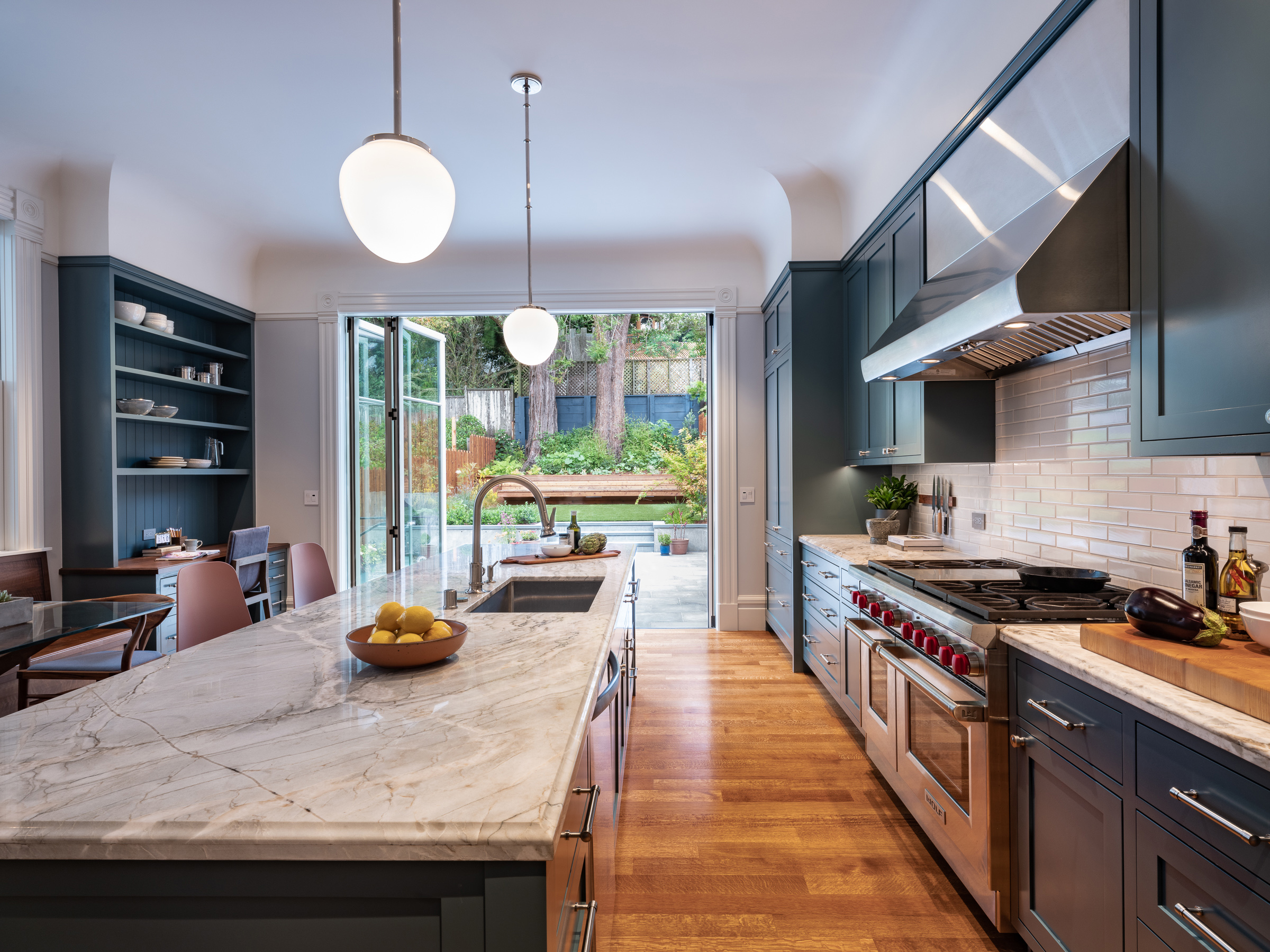
That same approach drives successful residential design today. Historic detail can coexist with open kitchens, modern infrastructure, and flexible family living. The strongest homes preserve the qualities that have made traditional architecture enduring and popular while adapting the layout and functionality to contemporary life.
The goal is not replication. It’s continuity.
The most successful homes understand why traditional architecture feels enduring in the first place — proportion, materiality, craftsmanship, and livability — and reinterpret those ideas for modern life.
Designing Homes That Suit San Francisco
San Francisco’s architectural history is one of the richest in the country. The homes that continue to resonate here do not ignore that history — they build on it.
Good residential design starts with context: the original layout of the house (if renovating), the scale of the street, the surrounding materials, the quality of light, and the architectural language of the neighborhood itself.
Traditional architecture is not a limitation. It’s a framework for creating homes that feel rooted, timeless, and connected to place.
For homeowners planning a major renovation or a new custom home in the Bay Area, the most lasting results often come from understanding the principles that shaped San Francisco in the first place.
Frequently Asked Questions
What are the main traditional architectural styles in San Francisco?
San Francisco’s primary traditional residential styles are Victorian, Edwardian, and Craftsman/Arts & Crafts. Victorian homes are ornate and vertically proportioned, Edwardians are lighter and more restrained, and Craftsman homes emphasize natural materials and craftsmanship.
Can new construction incorporate traditional architectural details?
Yes. Features like bay windows, detailed millwork, tall ceilings, and natural materials translate naturally into contemporary construction. The goal is usually not historical replication, but carrying forward the spatial qualities, ornamentation level, and proportions that make traditional homes feel timeless.
What’s the difference between Victorian and Edwardian homes?
Victorian homes tend to be more decorative, with towers, textured façades, and elaborate trim. Edwardian homes simplified those elements, emphasizing larger rooms, cleaner lines, more daylight, and more practical layouts.
Why does traditional architecture still appeal to modern homeowners?
Because the best traditional homes solved enduring design problems well: maximizing light, organizing space efficiently, creating warmth through materials, and building homes meant to last.
How does Craftsman design influence contemporary Bay Area homes?
Craftsman principles continue to shape modern homes through the use of natural materials, visible craftsmanship, and strong indoor-outdoor connections that suit the Bay Area climate particularly well.