Integrating Landscape Design Into ArchitectuRE: Top Things to Consider
Why Landscape Design Starts with the Architecture
Integrating landscape design into architectural projects early on is essential for creating homes that feel connected to their surroundings. In the San Francisco Bay Area — where indoor-outdoor living is part of everyday life — thoughtful landscape planning improves usability, sustainability, and property value.
Research shows that well-designed landscaping can increase property value by up to 25%, while a single mature tree can intercept 500–750 gallons of stormwater each year, helping reduce runoff and urban heat-island effects.
When landscape design enters the architectural process early, the result is a home that feels cohesive, functional, and naturally rooted in its site.
How to Integrate Landscape Design into Architecture
Integrating landscape design means treating the home and garden as a single design composition. Rather than viewing landscaping as decoration applied after construction, architects and landscape architects coordinate spatial planning so that architectural lines extend outward and natural elements shape the experience of the interior.
This integration focuses on three core principles:
HARMONIZATION - ensuring the home blends naturally with its surroundings
OUTDOOR LIVING SPACES - designing patios, terraces, outdoor kitchens, firepits and gardens that directly respond to the site
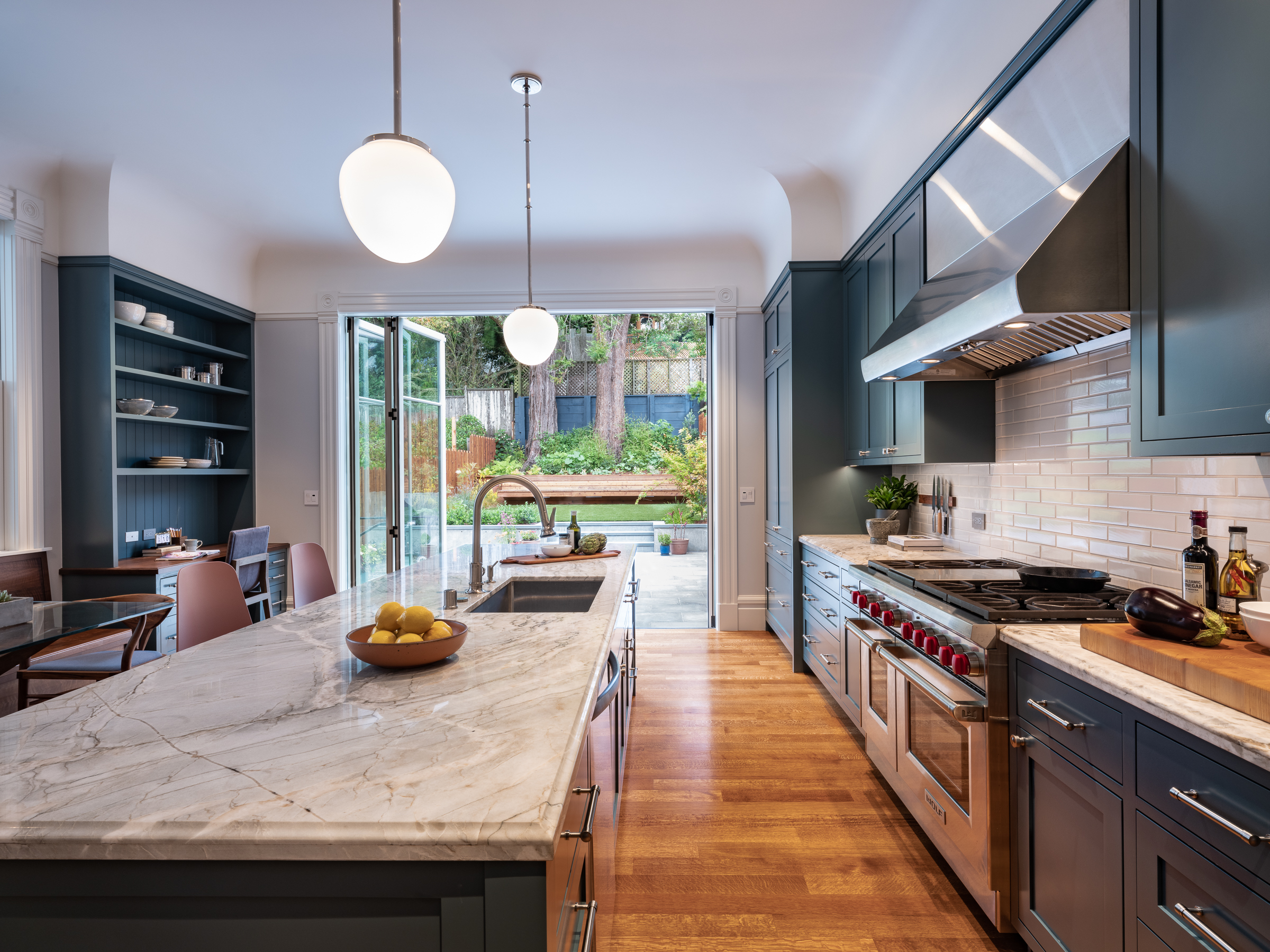
INDOOR-OUTDOOR CONNECTION - creating a visual and physical flow between interior rooms and the landscape
When done well, landscape design reinforces the architecture and strengthens the overall sense of place.
Key Benefits of Landscape Integration in the Bay Area
For homeowners in California's Mediterranean climate, integrating landscape design into architectural projects offers both lifestyle and environmental benefits. Because the region supports year-round outdoor living and Bay Area homes are often confined to tighter lots, expanding usable space into the landscape can significantly enhance a home's functionality.
Increased Property Value
Well-designed landscapes can increase home value by 15–25%, particularly when outdoor living spaces are architecturally integrated rather than added as an afterthought.
Improved Microclimate Around the Home
Trees and vegetation help regulate temperature by providing shade, reducing reflected heat, and protecting against prevailing winds — a significant advantage in the Bay Area's varied microclimates.
Environmental Benefits
Strategic landscape design can intercept 500–750 gallons of stormwater annually per tree, reduce urban heat island effects, and improve local air quality through carbon capture. These benefits make landscape integration both a design and a sustainability strategy.

How Landscape Design and Architecture Integrate
Successful projects treat architecture and landscape as a shared design territory. Instead of designing the house first and adding landscaping afterward, both disciplines collaborate throughout the project — producing a continuous relationship between architectural form, natural systems, site conditions, and lifestyle needs.
Early Site Analysis and Collaboration
Integration begins with careful site analysis, which is especially important in the Bay Area's varied terrain. Before design begins, architects and landscape designers evaluate:
- Slope and drainage patterns
- Existing trees and vegetation
- Sun exposure and prevailing winds
- Views and privacy conditions
Early collaboration allows the design team to position the home and outdoor spaces in ways that maximize the natural qualities of the site.
Design Phase: Blending Indoor and Outdoor Spaces
During the design phase, architects focus on creating smooth transitions between the interior and the landscape. Common strategies include:
TRANSITION SPACES: porches, patios, fire pits, and terraces that serve as bridges between the house and garden
MATERIAL CONTINUITY: using the same materials inside and outside (such as stone flooring or wood ceilings) to create visual flow
FRAMED VIEWS: positioning planting and landscape features to align with windows and interior sightlines
Construction and Installation Best Practices
During construction, close coordination between building contractors and landscape teams is essential. Key steps include:
PROTECTING EXISTING TREES: fence off critical root zones before heavy construction begins
PLANNING DRAINAGE EARLY: coordinate grading and drainage systems with the foundation and patio construction
INTEGRATING UTILITIES: run irrigation lines, gas lines, and electrical conduits early to avoid unnecessary site disruption later
PRO TIP: Plumb patio hose bibs with both cold and hot water — ideal for filling kiddie pools, bathing dogs, or rinsing off comfortably during foggy Bay Area summers.
Bay Area–Specific Landscape Design Considerations
Designing landscapes in the Bay Area involves environmental conditions and local regulations that directly influence both architecture and site planning — including climate adaptation, water conservation requirements, and permitting rules.
Adapting to the Mediterranean Climate
The Bay Area's climate features wet winters and dry summers, making drought-tolerant planting strategies essential. Native plants commonly used in Bay Area landscape design include:
- Manzanita
- Ceanothus
- Coast Live Oak
- Toyon
These plants thrive in local soils and require significantly less irrigation than non-native landscaping.
Navigating MWELO Regulations
Most California municipalities follow the Model Water Efficient Landscape Ordinance (MWELO), which regulates water use in new landscape installations. Typical requirements include limits on high-water-use turf areas, hydrozone irrigation planning, and minimum percentages of drought-tolerant plants. Understanding these regulations early helps avoid costly redesign during the permitting phase — another reason to engage a qualified landscape architect from the start of your project.
Sustainable Water and Drainage Strategies
Water management is a key component of integrated landscape design in California. Effective solutions include:
- Permeable Hardscape — gravel, permeable pavers, and porous concrete allow water to soak into the soil rather than running off into storm drains
- Rain Gardens — planted depressions that capture and filter runoff from roofs and driveways
- Strategic Tree Placement — shade trees positioned to reduce heat buildup around patios, roofs, and paved areas
Best Practices for a Seamless Architectural Landscape
A cohesive design depends on consistent materials, spatial organization, and deliberate detailing. Successful integrated projects typically include:
- Repeating exterior materials in landscape walls and pathways
- Aligning landscape features with architectural axes
- Using outdoor lighting to extend views and usability at night
- Designing outdoor rooms that mirror the scale and character of interior spaces
Common Landscape Integration Mistakes to Avoid
Even well-designed homes can feel disconnected from their site if landscape planning happens too late. Common mistakes include:
- Treating landscaping as an afterthought — without early planning, outdoor spaces may not align spatially or visually with the architecture
- Ignoring drainage — poor drainage design leads to water pooling near patios or foundations
- Planting too close to structures — trees planted near foundations can cause structural issues as they mature
- Inconsistent materials — hardscape that clashes with the architecture breaks visual continuity across the site

Example: Landscape Integration on a Bay Area Hillside Project
In a recent Armour Architecture hillside renovation, integrated landscape design transformed difficult terrain into a series of functional outdoor spaces. The project used floor-to-ceiling glass to connect interior rooms to the landscape, a wood deck that extended the interior floor level outdoors, and terraced planters built to match the house foundation. These terraces created multiple distinct outdoor rooms — including dining and fire pit areas — while also stabilizing the slope.
At Armour Architecture, Landscape Integration Starts at the Beginning of every Design
Our approach combines traditional design principles with modern indoor-outdoor living strategies. By encouraging clients to integrate landscape architects from the start, we ensure that gardens, terraces, and outdoor spaces are fully integrated into the architecture, allowing each project to respond to its site, climate, and clients' lifestyle needs while meeting all local building and landscape regulations.